Physical Address
304 North Cardinal St.
Dorchester Center, MA 02124
Physical Address
304 North Cardinal St.
Dorchester Center, MA 02124
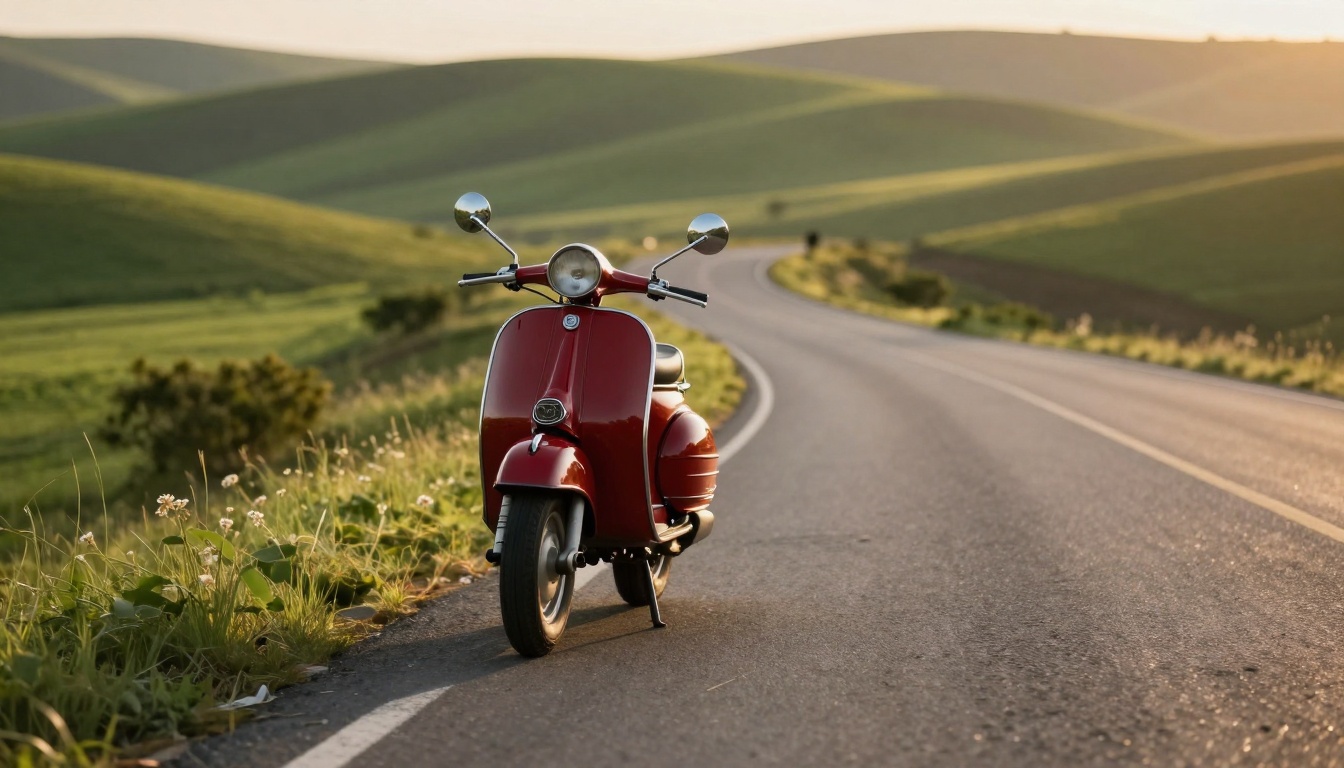
Life moves fast these days. We juggle emails, calls, and endless to-do lists while rushing from one spot to the next. But here’s the twist: my motorcycle, built for speed, pulls me back to a slower pace. It strips away the noise and forces me to live right in the moment. Through every twist and turn, riding teaches me that true progress comes from soaking in the ride, not just hitting the endpoint quick.
Riding a bike heightens your senses in ways a car never could. Without walls around you, the world rushes in raw and real. This setup demands full attention, turning a simple trip into a lesson in focus.
Engine hums fill your ears on a motorcycle. You hear every shift in pitch as you lean into curves. Tires whisper against pavement, and distant horns cut through the air sharp.
In a car, music blasts and AC hums drown it all out. But on two wheels, no such buffer exists. You tune into sirens or gravel crunch underfoot, staying alert to every cue. This sharp listening builds a habit of presence that sticks off the bike too. It quiets the mental chatter from daily worries.
Counter-steering takes grip and balance. You shift your weight to guide the bike, feel the clutch bite with each gear change. Throttle twists demand smooth hands; jerk it, and the ride turns rough.
Split your focus here, and trouble follows fast. Your body stays locked in, which clears your head. Over time, this link between muscle and mind eases tension. You learn to let go of distractions because survival depends on it.
Speed on a bike narrows your view. Peripheral sights blur, so you lock eyes on the path ahead. This tunnel focus cuts out side thoughts like work stress or grocery lists.
It’s not scary—it’s freeing. High velocity sharpens what matters most. Back in daily life, this trains you to ignore fluff and zero in on key tasks. Riders often say it feels like the world slows just for them.
Multitasking feels productive, but it scatters your brain. A motorcycle ride kills that habit dead. No room for half-measures when you’re balancing speed and safety.
Phones stay tucked away on a bike. Glance down, and you risk everything. No scrolling feeds or quick texts mid-ride.
This break lets your mind unwind deep. Studies show constant pings spike stress hormones by 20%. Riders get that cognitive reset cars rarely offer. You arrive calmer, ideas clearer.
Twist the throttle wrong, and the bike wobbles. Brake too hard, and you skid. Each move gives instant results, good or bad.
Office errors? They simmer slow, hard to spot. But riding rewards careful choices right away. This loop builds deliberate habits. You pause before acting, a skill that boosts decisions everywhere.
At first, riding floods your thoughts with steps. Soon, it turns automatic—like breathing. Gears shift without thinking; turns flow smooth.
Freed-up space lets you notice details. Birds overhead or sun on leaves pop into view. This shift from effort to ease mirrors how routines in life open room for joy. Less overload means more calm.
Clocks rule our days, but roads bend to the earth’s shape. Motorcycles hug those bends, pulling you into nature’s beat. You match the land, not the watch.
Straight shots bore on a bike. Curves and hills call for steady pace. You flow with the terrain, easing through each dip.
Psychologists call this a flow state—total immersion. No rush to beat traffic lights. Instead, you sync with the world’s pulse. Riders chase these routes for that unmatched peace.
Rain slicks the road; you drop speed on wet leaves. A chill wind hints at black ice ahead. These signs hit you direct, no dashboard to hide them.
One study found riders scan conditions 30% more than drivers. This vigilance slows you naturally for safety. It teaches respect for forces beyond your grip.
Cars barrel past viewpoints. Bikes invite pauses at random overlooks. A stunning sunset? You pull over, no schedule to fight.
These breaks recharge you full. Plan rides with no end point in mind. Just wander, stop when beauty calls. It’s a simple way to reclaim hours lost to haste.
What happens on the road doesn’t stay there. Bike lessons seep into routines, making life richer. You carry that steady focus forward.
In your car, mimic bike rules. Eyes only on the lead vehicle—no radio fiddling. Set a timer for five minutes of pure drive.
This single-task trick cuts road rage by half, per traffic reports. Fresh off the bike, try it right away. Build the muscle of one-thing-at-a-time.
Riding hones quick, smart calls. Hold distance from the car ahead? It mirrors setting boundaries at work. Pause, assess, then move.
This cuts rash choices in arguments or meetings. Practice by counting seconds before lane changes. Over weeks, reactions sharpen without the frenzy.
Success on a bike isn’t miles logged—it’s moments felt. A smooth lean through fog beats any timer.
Apply this: Savor a walk home, not just the door key. Redefine wins by depth, not speed. Life opens up when you prize the path.
My motorcycle, made for blur-fast runs, ends up schooling me in restraint. It mandates sharp focus, bows to the surroundings, and proves presence trumps panic every time.
Key lessons stick hard: Attention grabs the wheel; nature sets the tempo; real speed lies in mindful steps. Twist that throttle gentle, and you’ll find control in the slowdown.
Next ride, leave the rush behind. Hit the road open-eyed, and watch how it changes everything. Your turn to learn from the bike—what’s your first slow lesson?